
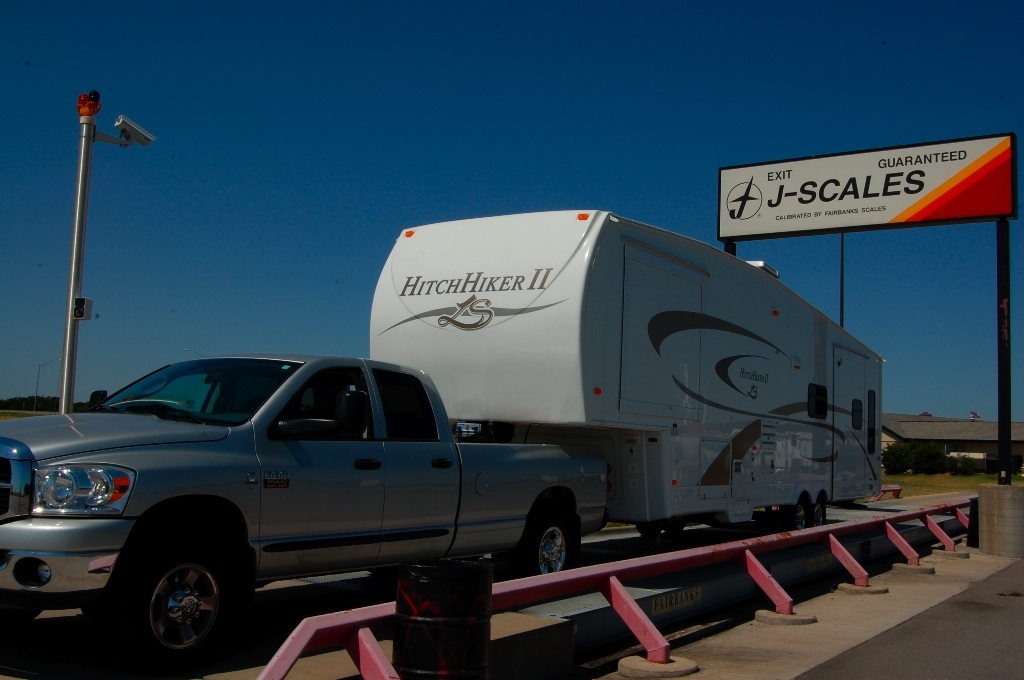
Getting weighed
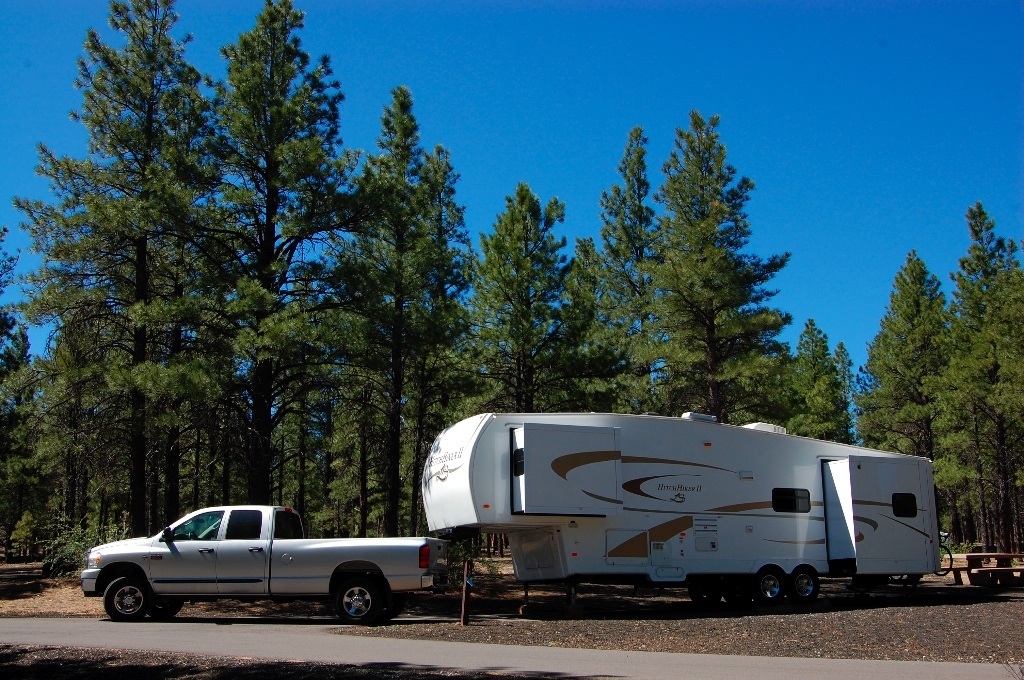
Campsite at Bonito in Flagstaff.
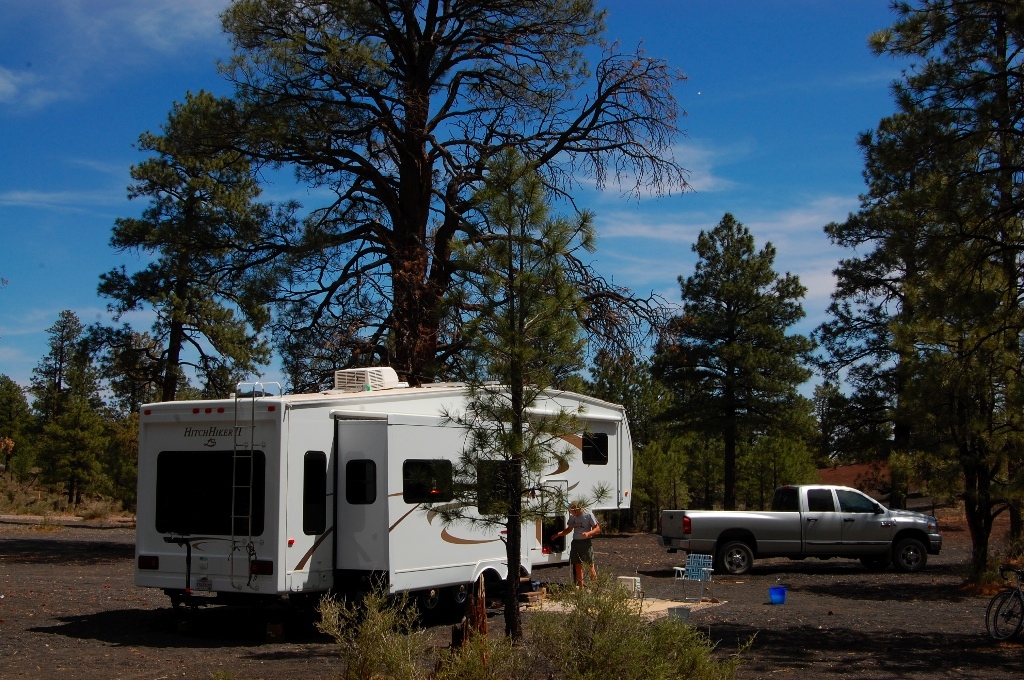
Boondocking in the Cinder Hills OHV Area
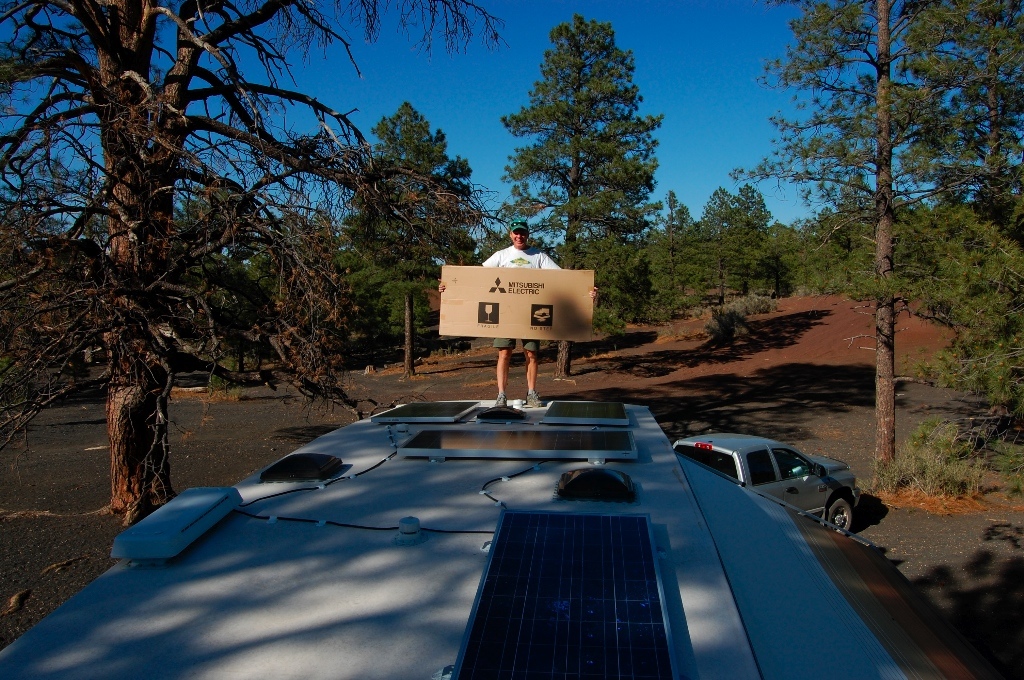
Solar panel installation
Sunset Crater erupted 800 years ago
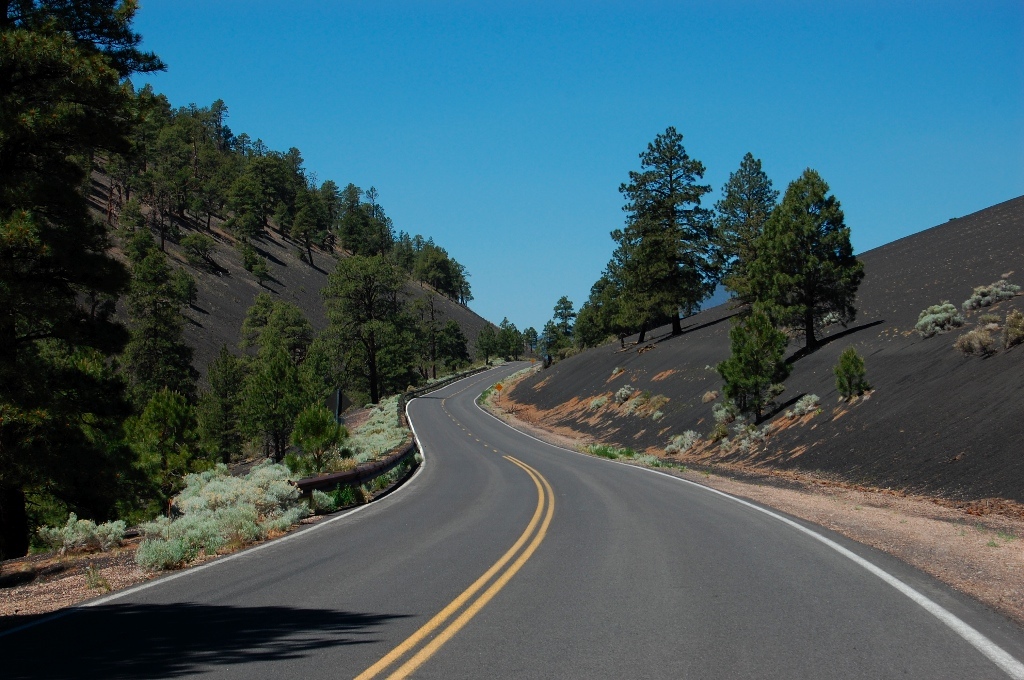
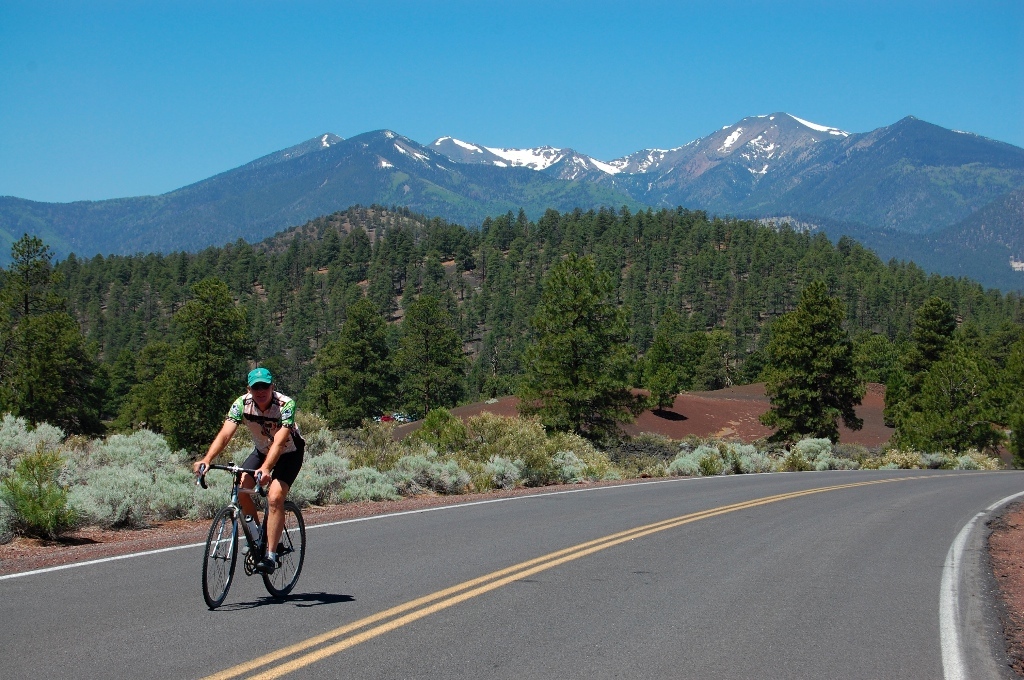
Smooth cinder hills alongside the road
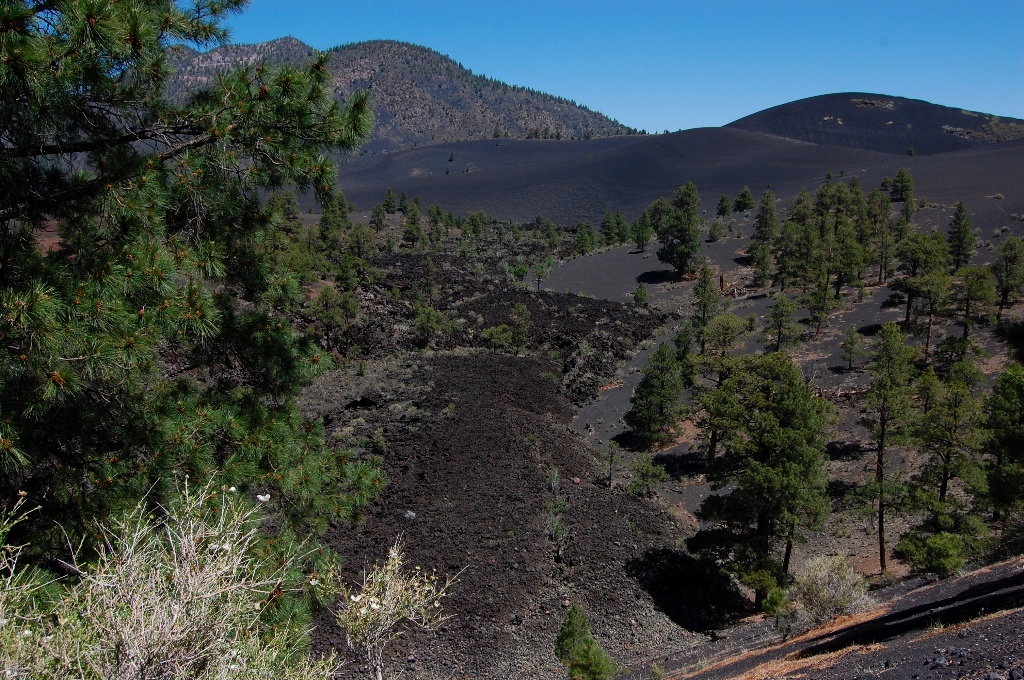
Cinder hills and lava flow
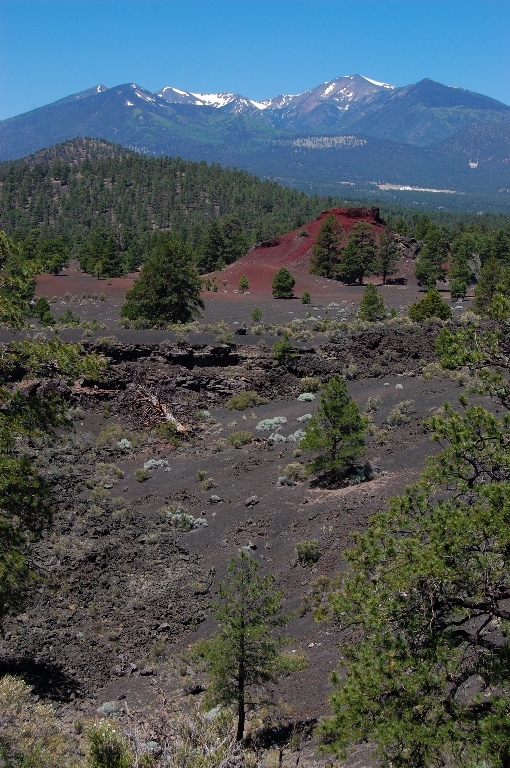
San Francisco Peaks
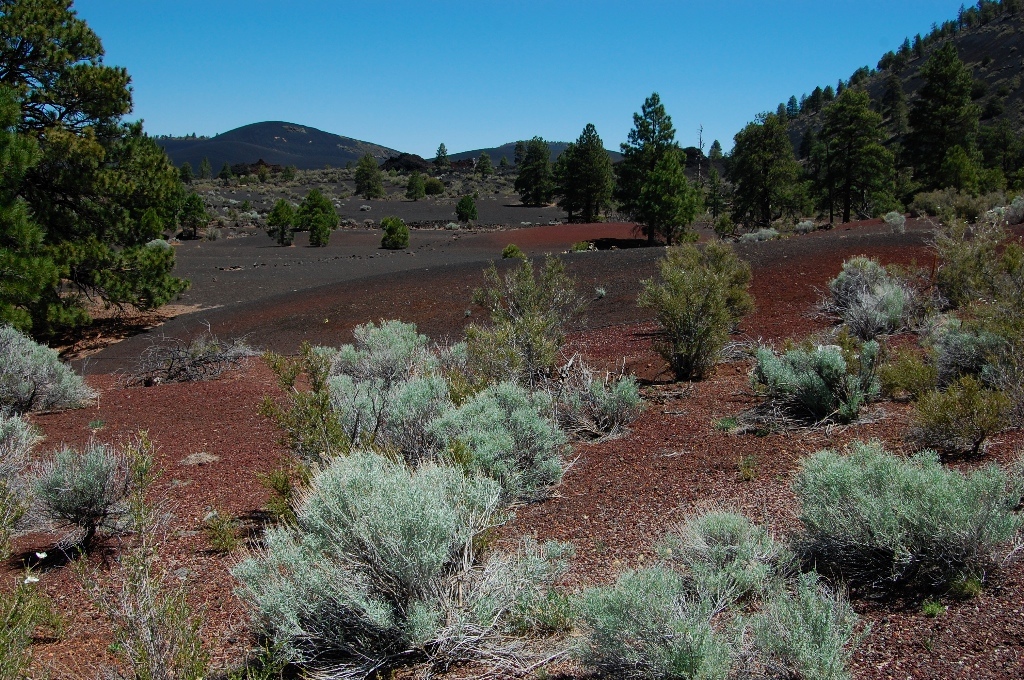
Cinders are black gravel and red gravel
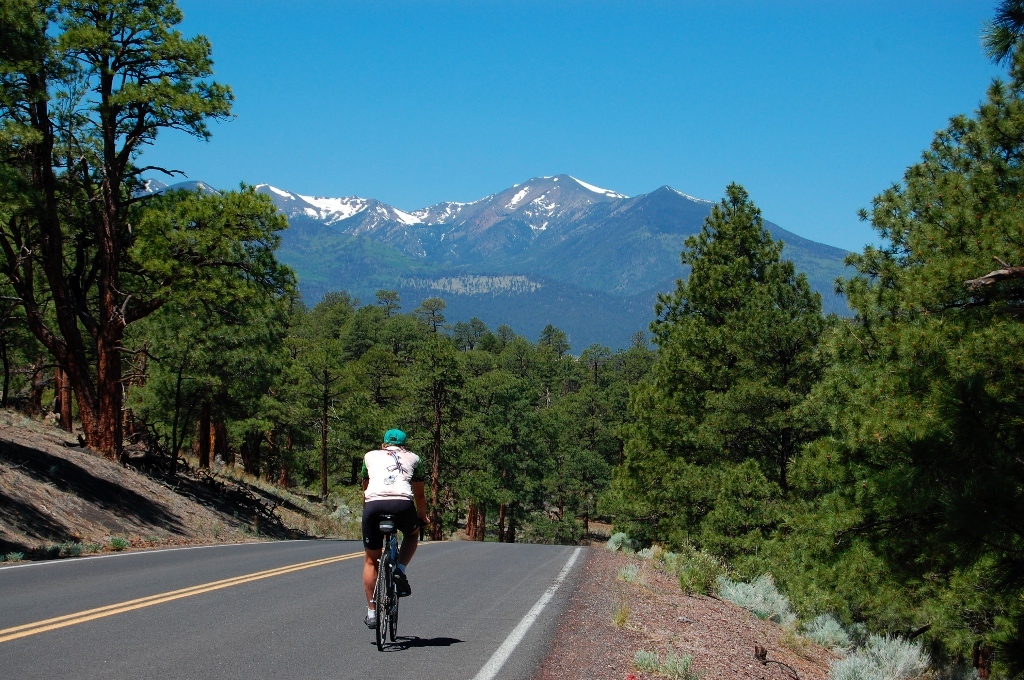
San Francisco Peaks
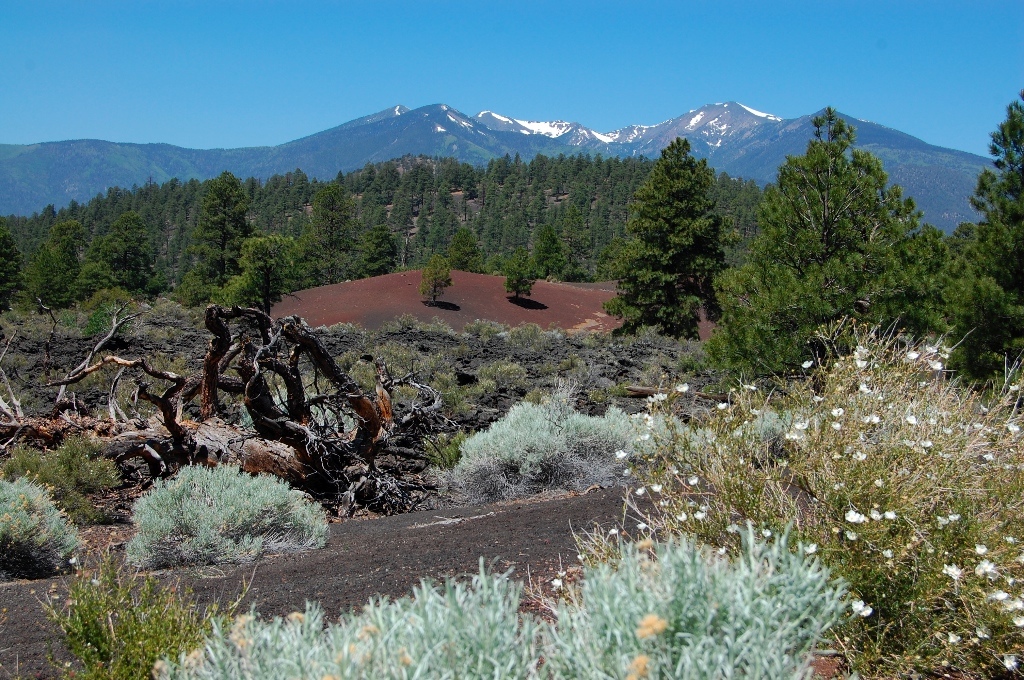
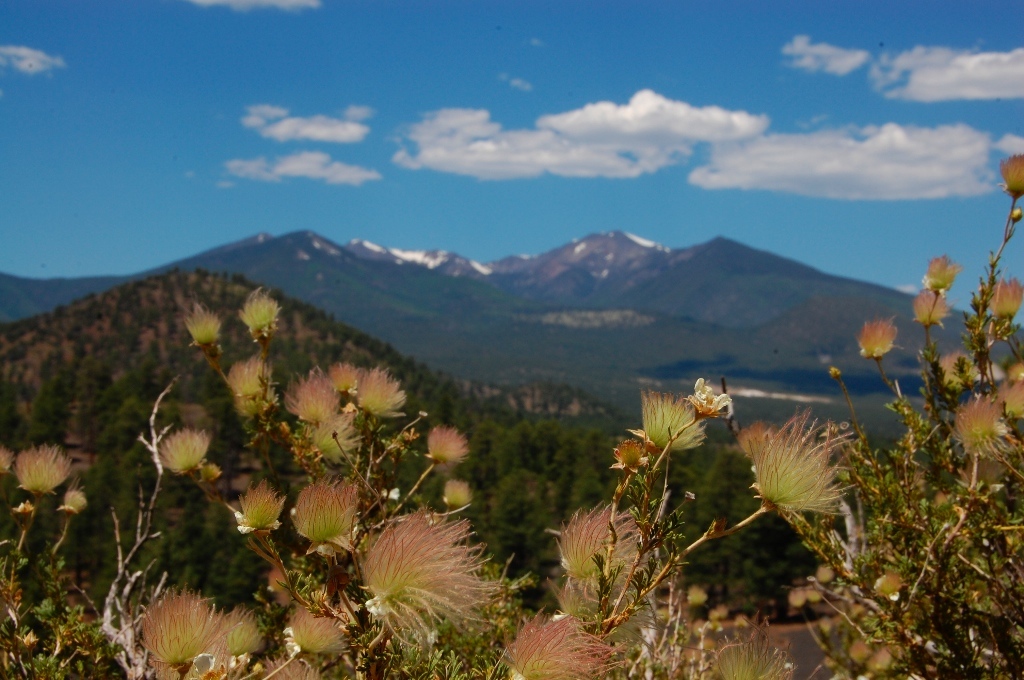
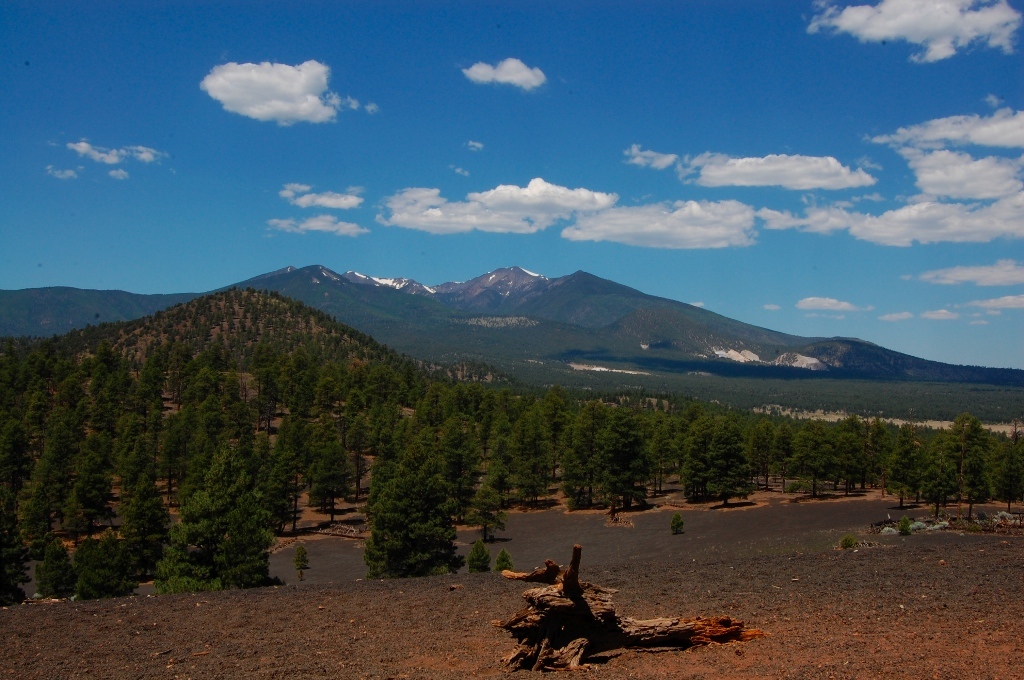
View from the top of the Lava Flow Trail hike
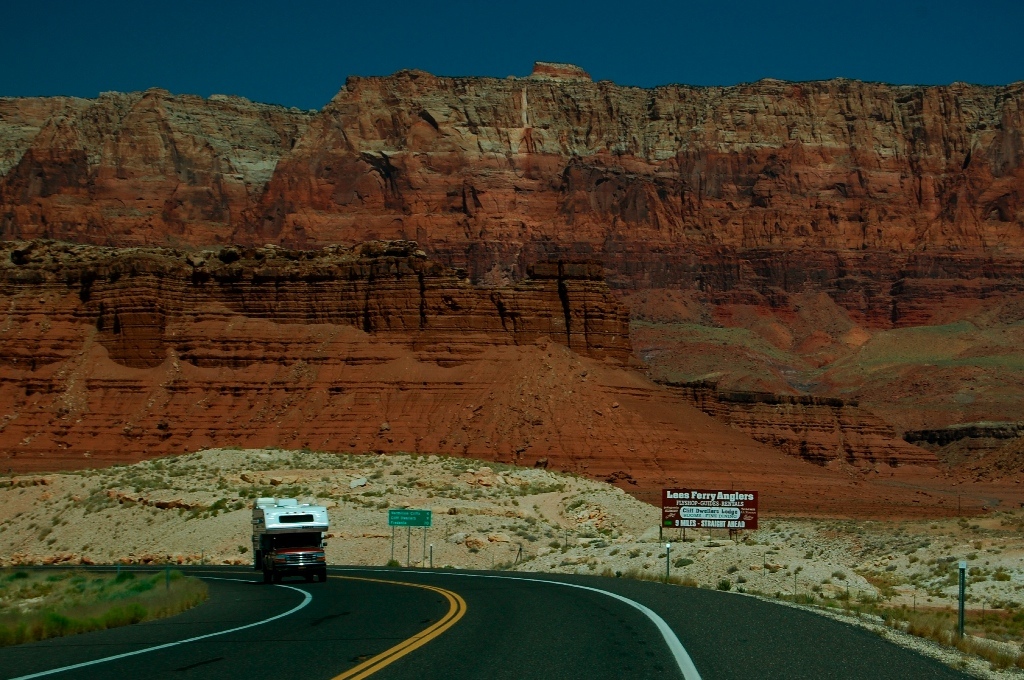
Vermillion Cliffs near Lees Ferry
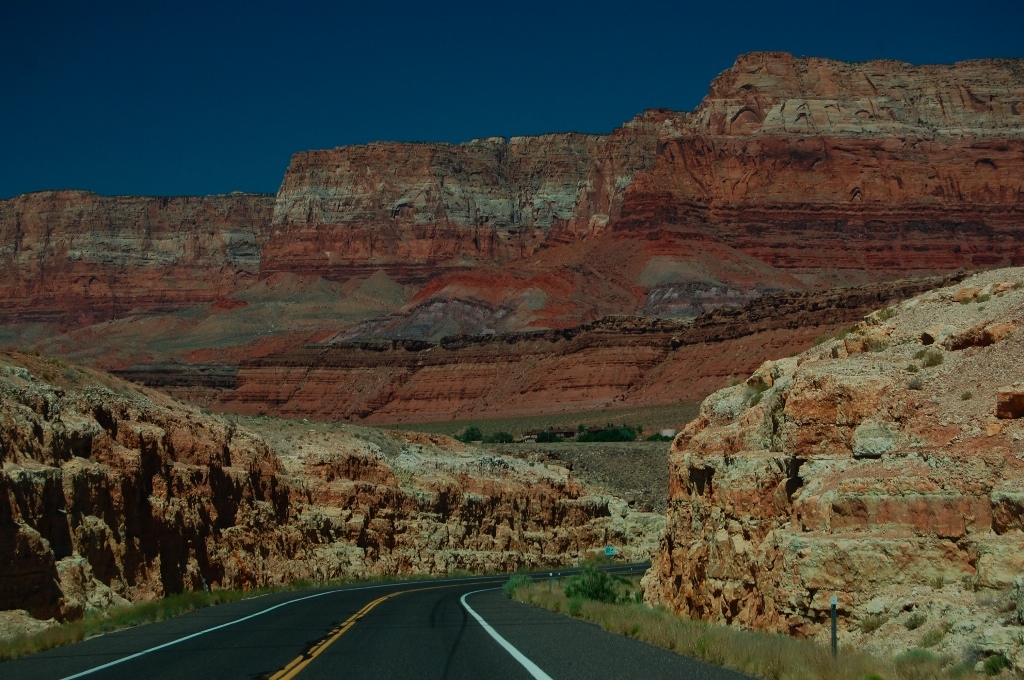
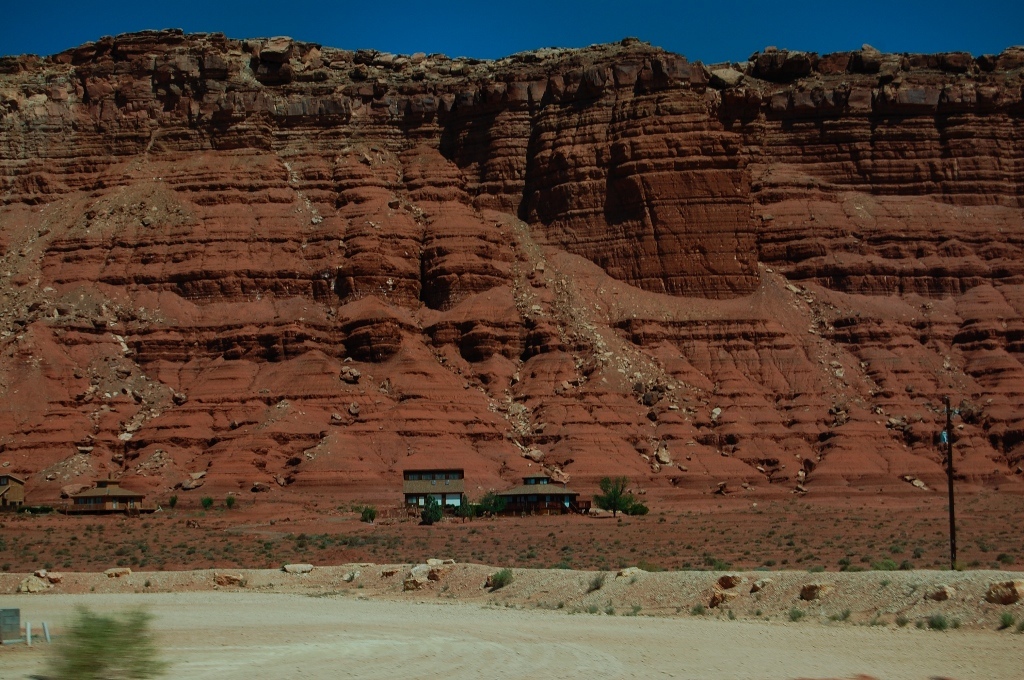
Neat spot for a house!
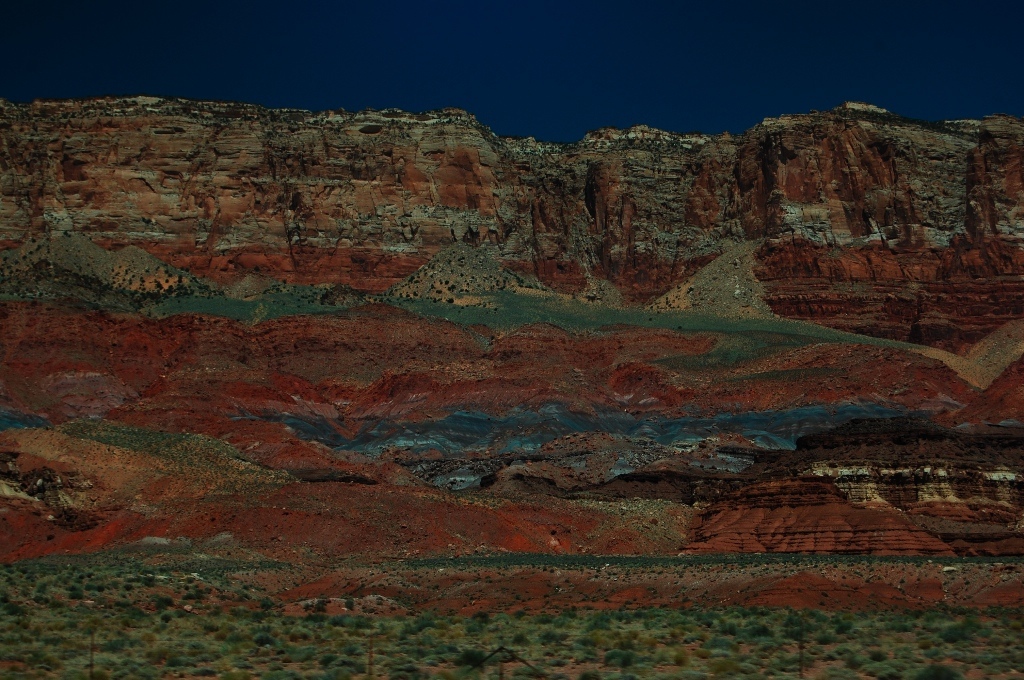
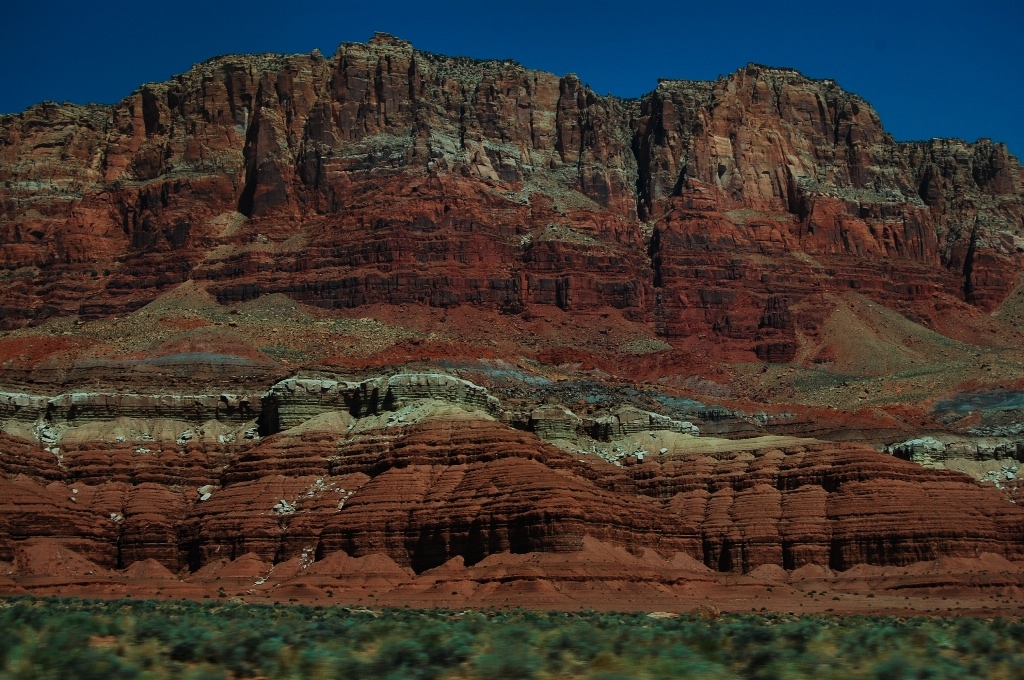
Vermillion Cliffs - many colors in the rocks
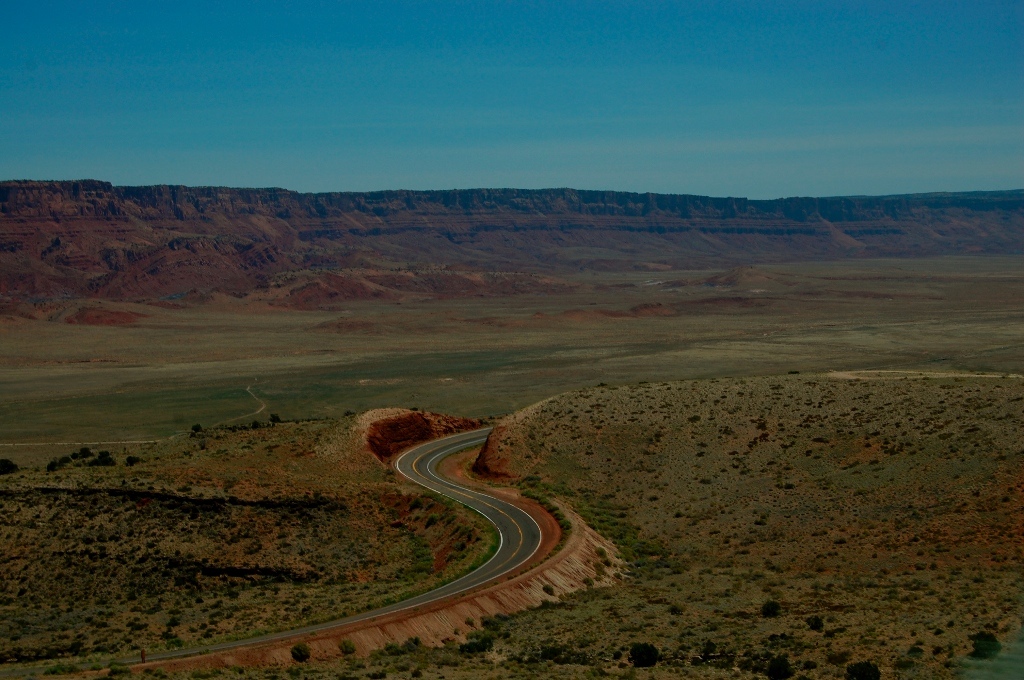
Start of the climb out of the desert up to the Kaibab Plateau
Sunset Crater National Monument, Arizona
June 4-24, 2008 - We drove from Chanute, Kansas to Flagstaff, Arizona (1,200
miles) in just 3 days. We stopped long enough to weigh the truck and trailer at a
Flying J truck scale and found we were right at the limit. Even though we had filled
only 1/3 of the cabinet space, our weight (with water and propane) was 13,850 lbs --
and the GVWR (Gross Vehicle Weight Rating) is 13,995 lbs. No wonder the truck
noticed the load!! This wasn't the little Lynx any longer! We had met a lot of fifth
wheel owners whose cabinets and closets were stuffed to overflowing. They must
run about 2,000 lbs or more over their GVWR.
As we traveled across
country the air got dryer
and the terrain got craggier. On I-40 in Texas, 10 miles west of the
New Mexico border, there was a very distinct transition from open
plains to a desert landscape. We had left tornado alley in the middle
of tornado season and we were glad to leave the severe storm
warnings and tornado watches behind. However we drove straight
into a vicious headwind all the way across the country, and in New
Mexico and Arizona the winds were staggering. We were paying far
more for gas than we ever had -- and we were getting 8.2 miles per
gallon!!
At an Arizona
visitors center
we heard
another fifth wheel driver discussing routes to Wasington with the host,
trying to find a way to get out of the horrible winds. Not possible! When
we arrived in Flagstaff it felt good to be among the tall pines under clear
blue skies again. The winds eventually subsided, and we relaxed at our
favorite campground northeast of Flagstaff, Bonito Campground. We
retired the truck for a while, sticking to our bikes as much as possible.
Flagstaff has a fantastic store for solar power related items (Northern
Arizona Wind and Sun), and just like the previous year, we used our
time in town to purchase a complete solar setup. We upgraded to
490 watts of power (from 130) and a permanently installed pure sine
wave inverter. We boondocked in the Cinder Hills OHV Area and
Mark took his time installing the new panels on the roof and the
charge controller and inverter in the basement. After three days it
was done, and the system has been phenomenal ever since.
Wherever we are, it is always as if we have full electrical hookups.
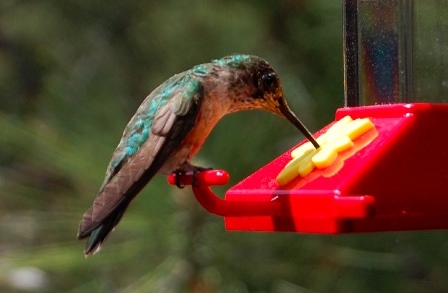
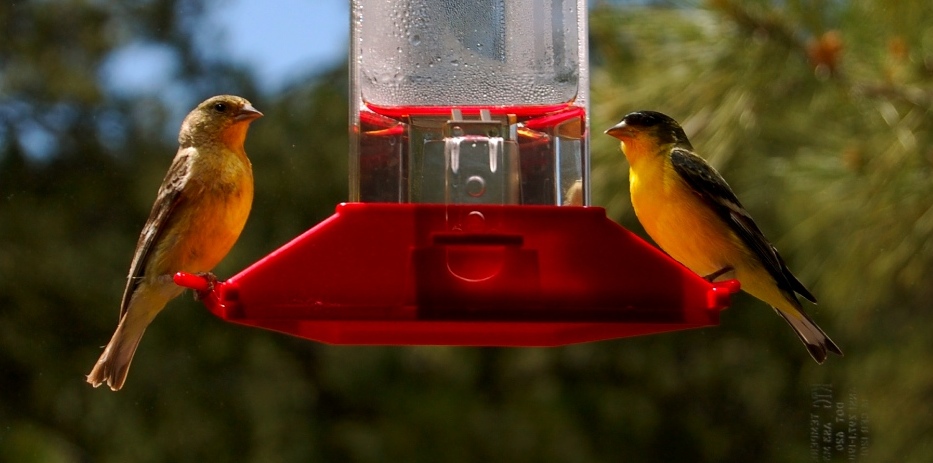
The hummingbirds loved our feeder, and we
enjoyed watching them zip around. One
morning a pair of warblers came to the feeder
for a visit. Their beaks weren't shaped quite
right for the feeder, so they didn't stick around,
but I was thrilled to get their picture through
the window.
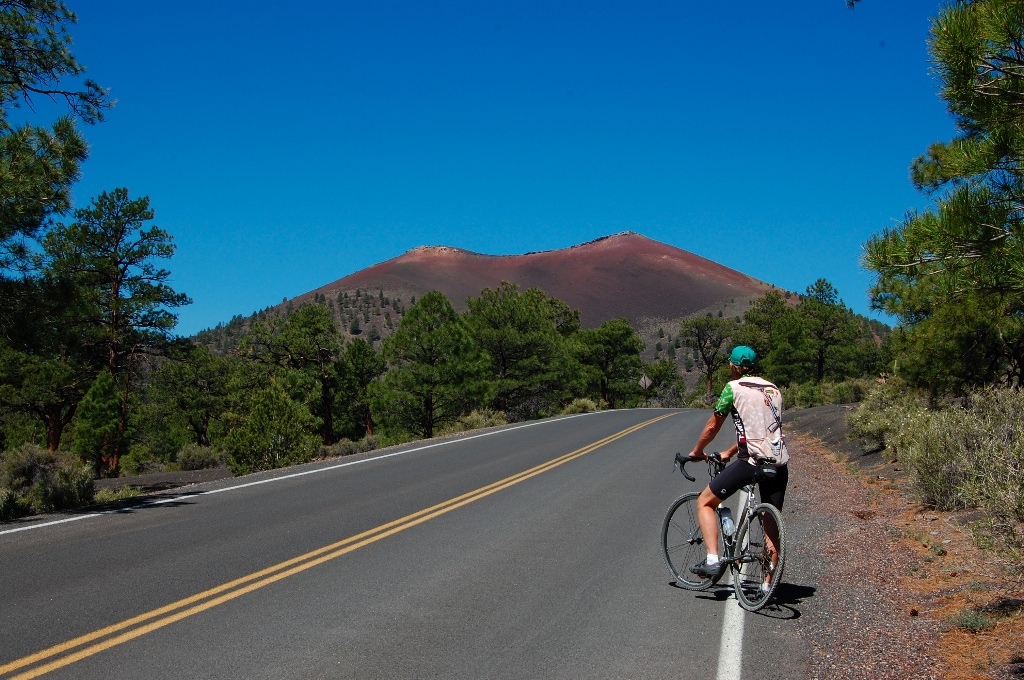
We took some leisurely bike rides through
Sunset Crater National Monument. This is a beautiful area for cycling, as there is no traffic and the road is smooth and scenic.
Sunset Crater blew its top 800 years ago, filling the skies and covering the ground with cinder ash. The cinder ash (black gravel) is
so thick that little can grow in it. This makes the area seem as though the volcano erupted just a few years back. The cinder hills
seem smooth from a distance, and there are places where the gravel is actually black sand. In other spots the black gives way to
shades of red and brown, again making it seem as though this mountain were engulfed in volcanic flames sometime within my own
lifetime. There is a region where the lava flowed, and today it is an impenetrable strip of sharp black rock. If you look closely you
can almost see the ripples and waves as this thick angry goo washed down from the mountain.
In the distance the San Francisco peaks were still snow capped.
Standing over 12,000 feet high, the tallest of the peaks is easily visible
from the North Rim of the Grand Canyon some one hundred miles
away as the condor flies. The Navajo and other native peoples have
long felt that the San Francisco peaks were sacred. I had never really
understood exactly why until a few weeks later when we were camped
on the North Rim and were looking back at these peaks across the
canyon. Every afternoon, like clockwork, the clouds would begin to
form over Mt. Humphreys. There was no doubt that those mountains
attracted -- or were even the source -- of rain. Looking down at the
barren plateau on the Colorado River at the bottom of the Canyon I
could understand why the ancients revered that distant mountain. It
brought them much needed water for their crops.
We took a hike with friends up the Lava Flow Trail and
found some spectacular views of the San Francisco
peaks and the valleys surrounding the mountains. It
was a steep but short climb up the hill and well worth
the view at the top.
When we first arrived in Flagstaff the overnight
temperatures were in the 30's and daytime highs were
in the high 60's. After a few weeks the highs were
getting into the 90's. Even boondocked in total shade
(we found it was a miracle that the solar panels still
fully charged the batteries everyday despite being in
full shade!), we were too hot. It was time to move on
to somewhere cooler.
We headed to the North Rim of the Grand Canyon. It
is a significant drive to get there. Even though
condors and intrepid hikers
can cross the chasm in just 21
miles, it is a 200 mile trip by
car, because you have to go
way to the east, then a bunch
north, way to the west, and
then drop south to get there.
The drive takes you through
some beautiful desert
areas. The Vemillion
Cliffs are stunning, jutting
up out of the desert floor
in vibrant shades of
orange, red, and even
turquoise. There is little
in the way of towns on
this drive, just occasional
hamlets with perhaps a
store and cluster of
trailers. We drove with
our eyes glued to the
beautiful scenery.
After taking the big left turn near Lees Ferry to head west, the red desert
suddenly gives way to greenery and you begin a steep and winding climb
up onto the Kaibab Plateau. The desert floor is at about 4,000 feet
elevation and the top of the Kaibab Plateau is at about 9,000 feet. North
Rim here we come!!