
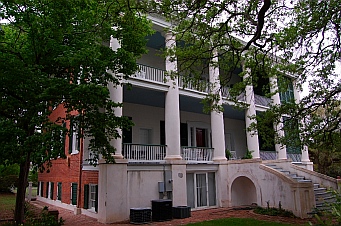
Cherokee, 1794
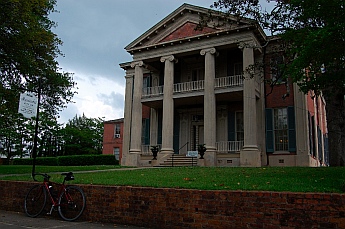
Magnolia Hall, 1858
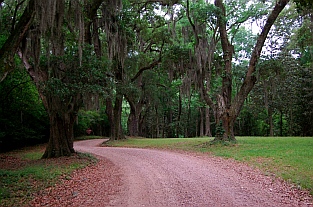
Driveway to Longwood
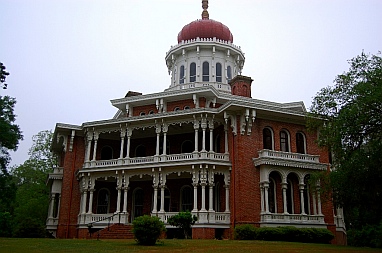
Longwood, 1859
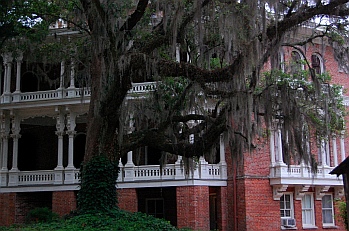
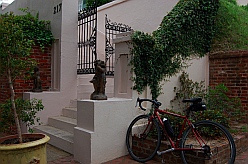
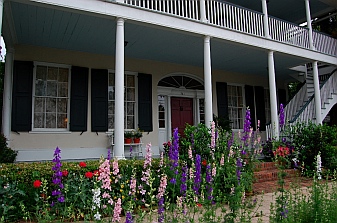
Griffith McComas House
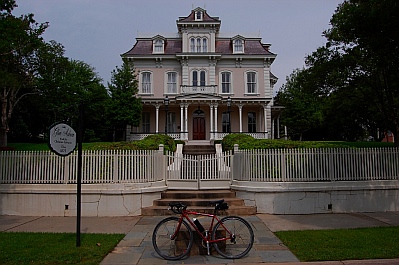
Glen Auburn, 1875

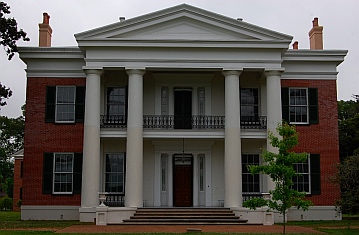
Melrose - from the front.
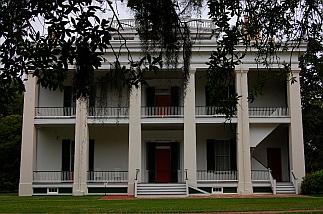
Melrose - from the back.
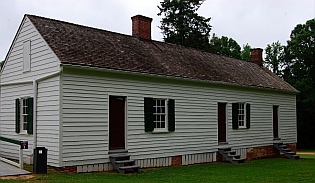
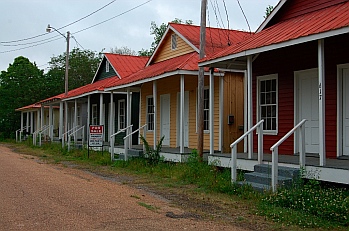
Slave quarters at Melrose.
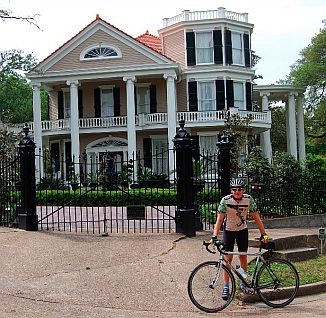
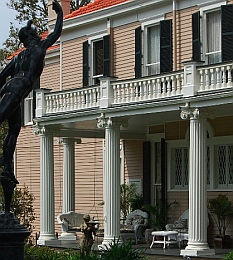
Ravennaside, 1902.
Natchez, Mississippi
April 25-28, 2008 - Driving inland from Bay St. Louis, we stopped in Natchez, Mississippi
for a few days before starting up the Natchez Trace Parkway. This plantation-era city,
the first city built on the Mississippi River, is loaded with beautiful homes. Some are
"antebellum" mansions, which we learned means "before the rebellion," that is, before
the Civil War. Plantation owners engaged in serious one-upsmanship with each other,
building homes that were ever more elaborate. The most stunning of these homes grace
the outskirts of town where they still stand on very large and grand parcels of land. Most
of these mansions have been
lovingly restored and are open
to the public as museums.
Some are even available to host weddings.
Urban aristocrats of the 1800's built elegant homes in town, many of
which now offer overnight accommodation as guest houses. Wandering
around this town and these homes made us feel like we were peering into
a bygone era of immense wealth and of gracious, slow--paced, elegant
living. We toured much of the town by bike. It was a perfect way to
experience it. The traffic was fairly light, and the downtown area was so
tightly packed with mansions that we were constantly hopping on and off
the bikes to admire them. Each mansion has a a story to tell.
Perhaps the most dramatic was the story of Longwood. At the time
that this mansion was being built, it was on track to be the largest
mansion by far. Being octagonal, its construction was complex. It
took 600 slaves 9 years to build it, and by 1859 only the exterior
was completed. However, when the war broke out construction
stopped. After the war ended the man of the house died. His wife
raised their ten children in the basement of the house -- the only
finished part -- and she lived in the basement until her death, some
25 years later.
The Longwood
mansion was
beautiful, but its sad
story hung like a
cloak over the whole
estate. The ancient
trees on the
property were
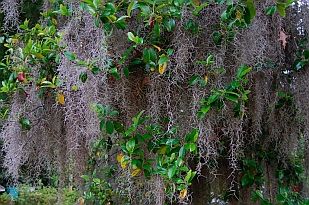
loaded with Spanish
moss, giving
everything a heavily overgrown feeling. It made me think of Sleeping Beauty
and the prince who had to cut his way through the thick overgrowth to find his
beloved fast asleep in her cobweb filled castle. Up close Spanish moss has
the appearance of cobwebs growing between the leaves.
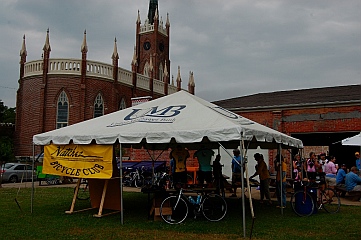
As we rode back into town one afternoon we discovered
that the Natchez Bicycle Club was hosting their Belles on
Bikes century ride that day. The ride was strictly for
women -- the men in the club were relegated to providing
SAG support!! We hung around and chatted with some
club members while the women came in from their
vigorous ride along the Natchez Trace Parkway. After a
morning of mansion-gawking and pondering Mississippi life
in the mid-1800's, it was refreshingly familiar to hear about
the hills and wind out on the Parkway. Mark chatted with
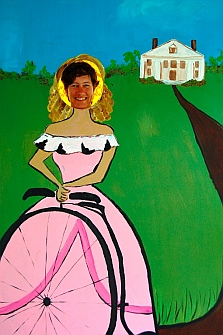
the bike mechanic about the bike
business while I snuck behind the club's
peep-through painting of a 19th century
Belle with a Bike.
There is a certain fantasy about
wearing those beautiful long
hooped dresses and wafting
about your plantation mansion
as an elegant and beautiful
young southern belle in 1850.
It's a girl thing. The bike club
had it right when they painted
the peep-through dress for
photos of their Belles on Bikes.
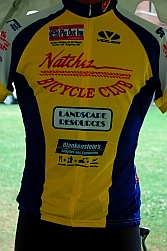
The Natchez Bicycle Club jersey is certainly a cool
jersey, and at times in my life I've probably worn more
cycling jerseys than any other garment. But when we
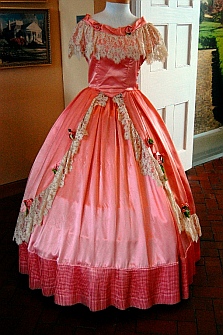
went into the visitors center and I saw the pink
hooped dress on display -- the real thing -- my inner
princess came alive. What fun it must have been in
those days. It might have been impossible to sit
down, but wouldn't it have been a thrill to be the Belle
of the Ball in that dress in one of those mansions?
Sadly, not everyone was able to live
that way, and when we climbed on
our bikes again we decided to go to
other parts of town to see how the
non-mansion-dwellers lived. It was
startling to see the degree to which
the mansion owners shoved their
wealth in the faces of those around
them. Just one street away we
found rows of homes that
were as modest as the others
were lavish. Suddenly the
conspicuous wealth that had
seemed so dreamy a
moment ago now felt
offensive. We wandered
beyond these homes to
back parts of town that were
truly struggling, even today,
and we heard loud voices.
Turning a corner we came
across a group of men
shooting the breeze on a
dilapidated porch. They
were seated on battered
couches and kicked back on
broken chairs, laughing and
joking together as we rolled by. I waved, and they waved back and called out, "Hi there
Lady!" I felt as though we had finally found the real Natchez, the one that isn't mentioned
in all the brochures about the civil war, the plantations and the mansions.
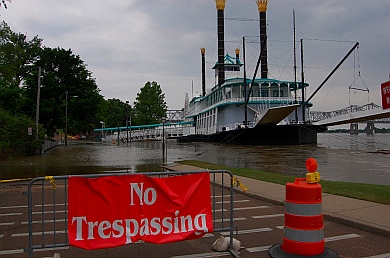
The Mississippi River was cresting at a record high during the days we were in Natchez.
We rode to a bluff that overlooks the river and Louisiana on the far banks. We got talking
with the folks around us and discovered we were surrounded by local people who had
come to see the swollen river. Several told us they had lived in Natchez all their lives and
never paid much attention to the river, but now they were watching it everyday because it
was rising higher than it ever had. We rode down to "Natchez Under the Hill," the rowdy
part of town in the old days. We found it was not only under the hill but under water! The
Isle of Capri casino boat was still tied to the docks, but the parking lot for the casino was
totally submerged. As on the bluff, we found more local residents down in this area
staring and taking pictures of the high water.
A group of adorable kids
was out for a look at the river with their moms. They were so cute
Mark asked if they'd mind lining up for a picture. They were tickled at
the idea and huddled around him afterwards to look at the shot in the
back of his camera. They had been searching for alligators because
there were warning signs posted at the water's edge. They weren't
lucky enough find one, but that didn't matter. They started looking for
sharks instead!
The National Park Service maintains Melrose, one of the antebellum
plantation estates. It is a large complex with outbuildings in addition
to the main house. The back of the house is almost as grand as the
front. I was surprised to learn that some of these Natchez mansions
were essentially just winter homes for their residents. Several
families spent summers in the northeast or touring Europe and
returned to Natchez for just a few months a year. It was hard to
assimilate the idea of that lifestyle with the slave building at Melrose
which housed several families in very tight quarters. Kids began
helping their parents work at age 6, parents were deliberately split up
and sold to separate owners, and the only rest anyone got was after
sundown.
Back in town we
cycled past
Ravennaside.
This gracious
home was built
in 1902 by the
woman who
spearheaded the
effort to create the
Natchez Trace
Parkway -- the next
stop in our travels. We
just liked the look of the
house and the sculptures in the back yard,
and we paused for a moment to admire it.
What a surprise it was when the gates
suddenly swung open and a Lincoln
Continental pulled out of the driveway. It is
still a residence!
After enjoying the history and culture of Natchez
we struck out to the north along the Natchez